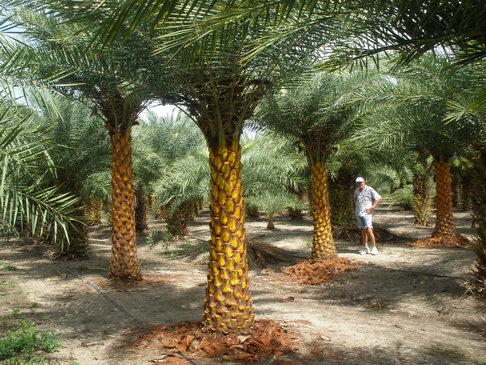
The best time to plant a field-grown Sylvester palm in Florida is late spring through early summer, when warm soil and regular rainfall help the roots re-establish quickly. Fall (September through November) is a workable second window, especially for container-grown palms. Winter planting is the riskiest option, since cooler soil slows root growth during the palm’s most vulnerable stretch.
Why Does Planting Season Matter for a Field-Grown Palm?
A field-grown palm is dug from the ground at the time of sale, which means it loses a portion of its root system in the process — unlike a container-grown palm, which carries its full root ball with it wherever it goes. That root loss is exactly why timing carries more weight for a field-grown specimen: the sooner the roots find warm, workable soil to push into, the sooner the palm stabilizes. Plant during a season that works against that process, and the establishment window simply stretches out longer, with more risk along the way.
Is Early Summer Really the Best Time to Plant?
Yes, for field-grown palms specifically. Late spring through early summer gives you two things at once: soil that’s already warmed up from the season, and Florida’s regular rainy-season showers doing a lot of the watering work for you. Warm soil encourages faster root growth, and consistent rainfall reduces how much you have to manage irrigation manually during the critical first weeks. It’s the combination of both factors — not just one — that makes this window the strongest choice.
Can You Plant a Sylvester Palm in the Fall?
Fall planting, roughly September through November, is a legitimate second option. Florida soil holds onto summer warmth well into the fall even as air temperatures start to cool, so a palm planted in this window can still establish reasonably well before winter arrives. It’s a particularly good fit for container-grown palms, which don’t face the same root-loss recovery clock as a field-grown specimen. For field-grown palms, fall can still work, but it’s worth talking through the specific timing with the farm rather than assuming it behaves identically to a summer planting.
What About Container-Grown vs. Field-Grown Timing?
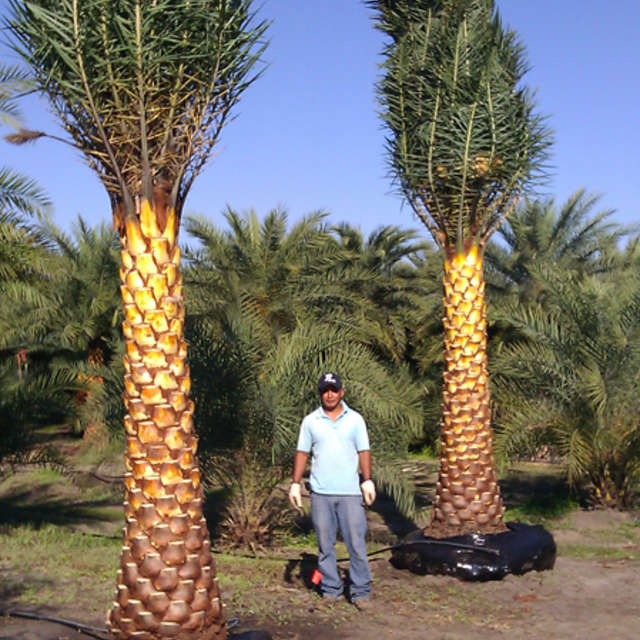
This is the distinction that gets missed most often. A container-grown palm carries its full, undisturbed root system in the pot, so it has much more flexibility — it can generally be planted at more times of the year with less risk. A field-grown palm, like the ones we grow here, is dug fresh from the field and depends on finding favorable soil conditions quickly to recover. That's not a downside of field-grown stock — it's simply a different growing method with a narrower, more deliberate planting window, and it's exactly why we talk timing through with every customer before delivery.
What Time of Year Should You Avoid Planting?
Winter is the window to be most cautious about. Cooler soil temperatures slow root activity right when a newly planted palm needs it to be moving fastest, which extends the vulnerable establishment period and gives the palm less margin if conditions aren’t ideal. It's not an absolute rule-out, but it's the season where the odds shift least in your favor.
What We Recommend
If your timeline allows it, plan a field-grown Sylvester palm planting for late spring through early summer, and treat fall as your backup window rather than your first choice. If you're working with a container-grown palm or your landscape timeline is fixed to a different season, call the farm before you commit to a date — we'll walk through your specific palm size, planting site, and the current season to help you plant at the right time and get it establishing well from day one. Our full planting and care guide covers what happens after the palm is in the ground, and our delivery and planting page covers how we handle the delivery side of timing your project.
Frequently Asked Questions
Is early summer really the best time to plant a Sylvester palm?
For field-grown palms specifically, yes — warm soil and frequent rainfall in late spring through early summer give the roots the conditions they need to re-establish quickly. That’s the main reason field-grown palms are planted on a tighter seasonal window than container-grown stock.
Can you plant a Sylvester palm in the fall in Florida?
Fall planting can work, particularly for container-grown palms, since the soil is still warm from summer even as the air cools. Field-grown palms are more sensitive to timing, so fall planting is worth discussing with the farm directly rather than assuming it’s identical to a summer window.
What time of year should you avoid planting a Sylvester palm?
Winter planting is the riskiest window. Cooler soil temperatures slow root growth right when a newly planted palm needs to be establishing quickly, which stretches out the vulnerable period before the palm is settled in.
Does a container-grown palm have more planting-time flexibility than a field-grown palm?
Yes. Container-grown palms carry their full root system with them and can generally be planted at more times of year. A field-grown palm is dug from the ground at the time of sale, so it depends more on warm, workable soil to re-establish, which is why timing matters more.
Once you’ve got your planting window figured out, our Sylvester palm care guide walks through exactly what to do in the first two weeks after your palm goes in the ground.